The Archipelago of the Self
The question "Who am I?" has resonated since the dawn of humanity, but the answer is never simple or singular. We often imagine our identity as a monolithic block, a stable soul housed behind our eyes.

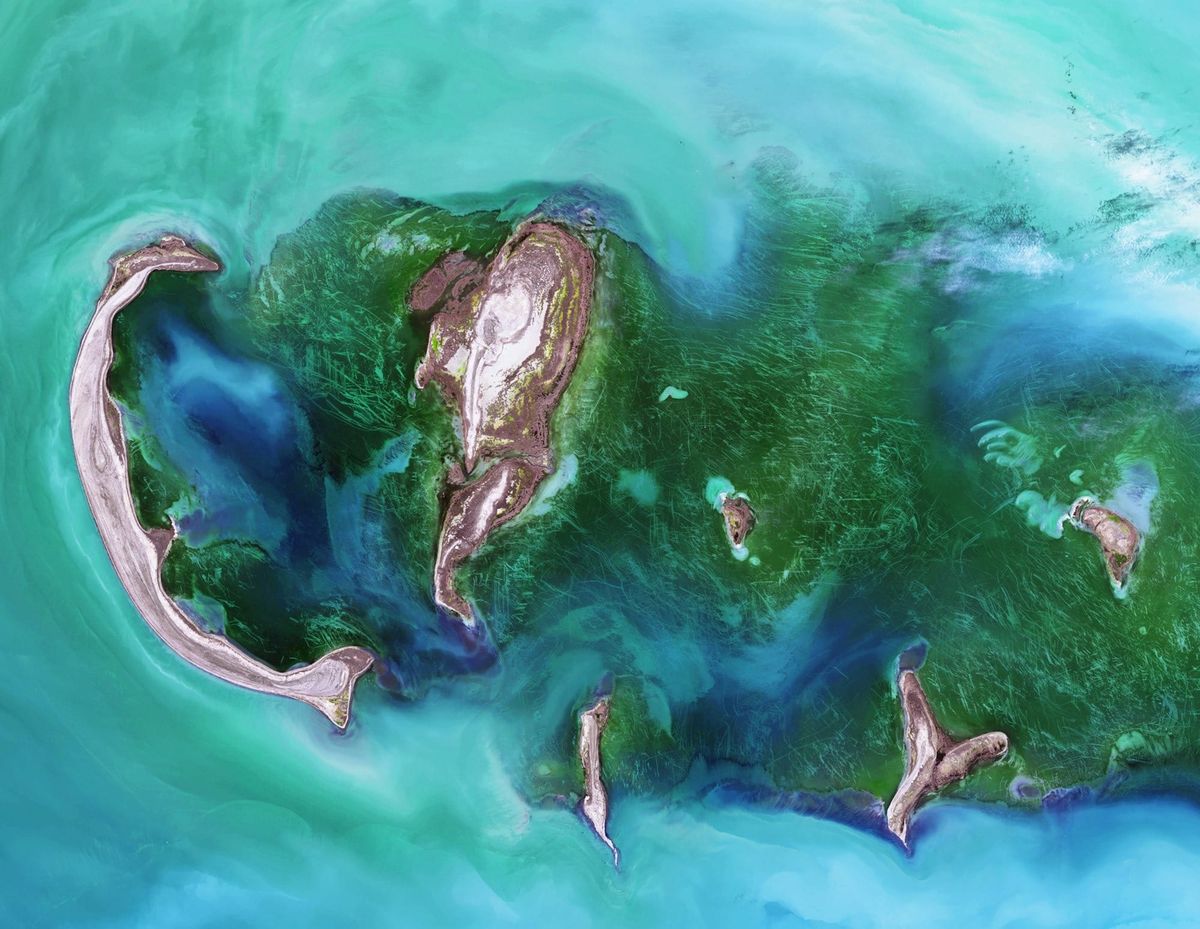
In reality, we are an archipelago of distinct yet interconnected processes. Understanding these different facets—from the body anchored in the present to the transcendent dissolution of the self—allows us to navigate our existence with greater clarity.
A. The Foundations – Bio-Psychic Anchoring
This first level establishes the individual's foundations, from immediate sensation to the construction of a coherent story.
1. The Minimal Self: The Bodily Anchor
The Minimal Self is the most fundamental dimension: the raw feeling of inhabiting a body. It relies on proprioception and kinesthesia, creating a clear spatial unity: everything that happens within the skin belongs to the "me." It is our anchoring point in physical reality, essential for motor coordination and a reassuring presence. However, it is vulnerable: pain or illness can transform it into a prison, and an imbalance can lead to hypochondria or dissociation.
2. The Ecological Self: Being-in-the-World
The Ecological Self extends our perception beyond the skin, including our tools and environment. A driver feels their car as an extension of their body. This principle of "affordance"—perceiving objects based on what they allow us to do—enhances our natural capacities and adapts us to the technological world. The risk? Excessive dependence on these extensions, creating a feeling of "amputation" in their absence.
3. The Narrative Self: The Weaver of Stories
The Narrative Self inscribes our identity in time. It is the story we tell ourselves to give meaning to our past and direction to our future. It ensures psychological continuity, makes us understandable, and fosters resilience. But it can become a prison: labels that are too rigid ("I am shy," "I am bad at math") limit our growth. The challenge is to keep this narrative fluid and open.
B. Expansion – Projection and Action
This level turns the individual outward, from internal aspirations to concrete achievements.
4. The Ideal Self: The Engine of Aspirations
The Ideal Self represents our internal standards, our values, and what we aspire to become. It acts as a filter and an engine, guiding our choices and evaluating our actions against our ideals. It drives us toward improvement and gives direction to our energy. Its challenge? Avoiding paralyzing perfectionism or an ideal so lofty it leads to self-devaluation.
5. The Social Self: The Mirror of Others
The Social Self emerges from our interactions. As George Herbert Mead showed, we perceive ourselves through the gaze of others. We adapt our behavior according to context (family, work, friends), seeking recognition and fostering social integration. The danger is excessive conformity, where the desire to please erases our authenticity. In the age of social media, this dimension can become a constant preoccupation.
6. The Productive Self: Extension through Work
The Productive Self is the projection of our being into the world through our creations (art, projects, knowledge). It transforms a subjective thought into a shared object, proving our competence and leaving a trace. It is a source of transcendence, but it carries a risk of alienation: if the work fails or is rejected, the creator can feel annihilated. It is the engine of innovation and often the pillar of our personal narrative.
C. Introspection – Depth and Transcendence
This level invites an inner exploration that deconstructs the ego to reveal vaster dimensions.
7. The Shadow Self: The Hidden Face
The Shadow Self represents the parts of ourselves that we repress, deny, or ignore—our fears, weaknesses, unspoken desires. Exploring it is crucial for psychic integrity. By recognizing and integrating this shadow, we gain authenticity and reduce negative projections onto others. Ignoring this dimension can lead to self-destructive behavior or psychological rigidity.
8. The Phenomenal Self: Pure Presence
The Phenomenal Self is the consciousness of being, the silent witness behind all our experiences. It is the simple light of presence, without story, name, or body. Connecting to this dimension, through practices like meditation, brings profound inner peace and stability independent of external circumstances. It is often masked by the incessant noise of our thoughts.
9. The Non-Self: The Liberating Dissolution
The Non-Self is the ultimate realization that the solid, separate "Self" is an illusion. Inspired by Eastern traditions, it highlights the principle of interdependence: everything we are comes from the outside (air, food, culture, relationships). This awareness brings immense freedom, natural compassion, and ends anxiety related to the ego. It is the dissolution of the archipelago into the ocean of existence.
Towards a Dynamic Harmonization
Living a balanced life does not consist of favoring one dimension over others, but of making them cooperate harmoniously. It is about anchoring our presence through the Minimal Self, nourishing our aspirations with the Ideal Self, realizing our potential through the Productive Self, while courageously exploring our Shadow Self and cultivating the peace of the Phenomenal Self.
By understanding that we are this dynamic multitude, we develop greater tolerance for ourselves and others. Every person we meet is a complex archipelago, perpetually seeking balance. This vision offers a precious key to a modern psychology, grounded in the body and the social, yet open to the vastest dimensions of consciousness.
"The greatest thing in the world is to know how to belong to oneself." — Michel de Montaigne